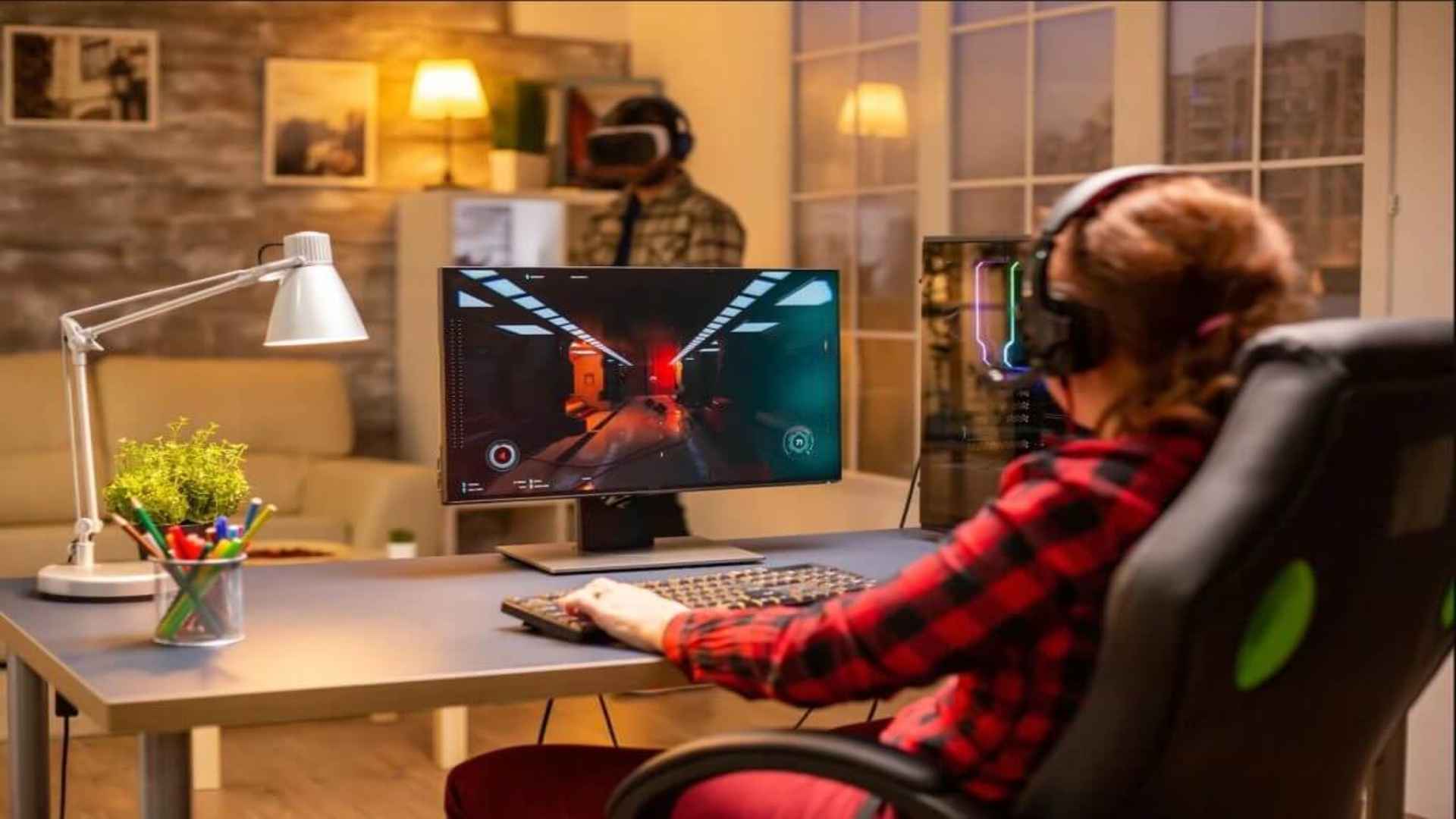
In an era dominated by passive screen time, many individuals are turning to tabletop entertainment to keep their cognitive faculties sharp and active. Table games demand more than simple luck; they require players to analyze situations, calculate risks, and adjust their strategies in real time. Engaging in these activities serves as a natural workout for the brain, helping to preserve mental agility across all age groups.
Enhancing Cognitive Flexibility and Problem Solving
Tabletop gaming forces players to continuously adapt to unpredictable situations and shifting opponent tactics. This dynamic environment exercises cognitive flexibility, allowing the brain to switch between different concepts and problem-solving methods seamlessly. Over time, this mental practice strengthens real-world decision-making capabilities when facing complex, rapidly changing scenarios.
Whether calculating potential card combinations or mapping out territory on a board, players must process information quickly and logically. This constant mental stimulation helps build stronger neural pathways, which can delay the onset of age-related cognitive decline. Keeping the mind active through strategic challenges is a highly effective way to maintain long-term intellectual vitality.
Strengthening Memory and Information Retention
Many classic and modern table games require participants to track multiple variables, rules, and previous player movements. This constant monitoring relies heavily on working memory, which is the brain's system for temporarily storing and managing information. By regularly exercising this function, players can experience noticeable improvements in their daily memory retention and focus.
For individuals looking to explore structured number strategies and probability, platforms like M88 togel offer interactive puzzles that challenge analytical memory. Engaging with these detail-oriented systems trains the mind to recognize patterns and process numerical data with greater precision. This targeted mental exercise reinforces structural logical thinking and boosts overall cognitive endurance.
Developing Strategic Foresight and Risk Assessment
Success at the gaming table often depends on your ability to anticipate your opponents' future moves while planning your own. This forward-thinking approach teaches the brain to weigh risks against potential rewards before making a final commitment. Developing this level of strategic foresight helps individuals navigate high-pressure situations with greater calm and logical clarity.
Furthermore, managing resources or a gaming budget teaches vital lessons in patience and disciplined risk control. Players learn to accept temporary setbacks while keeping their eyes on a long-term victory. This balanced perspective on risk and reward is highly transferable to professional planning and personal financial management.
Improving Social Connection and Emotional Regulation
Beyond the purely logical benefits, table games provide a unique platform for face-to-face social interaction and emotional development. Players must learn to read body language, manage their emotions during losses, and maintain decorum under competitive pressure. This social engagement stimulates the release of positive neurotransmitters, which reduce stress and support overall brain health.