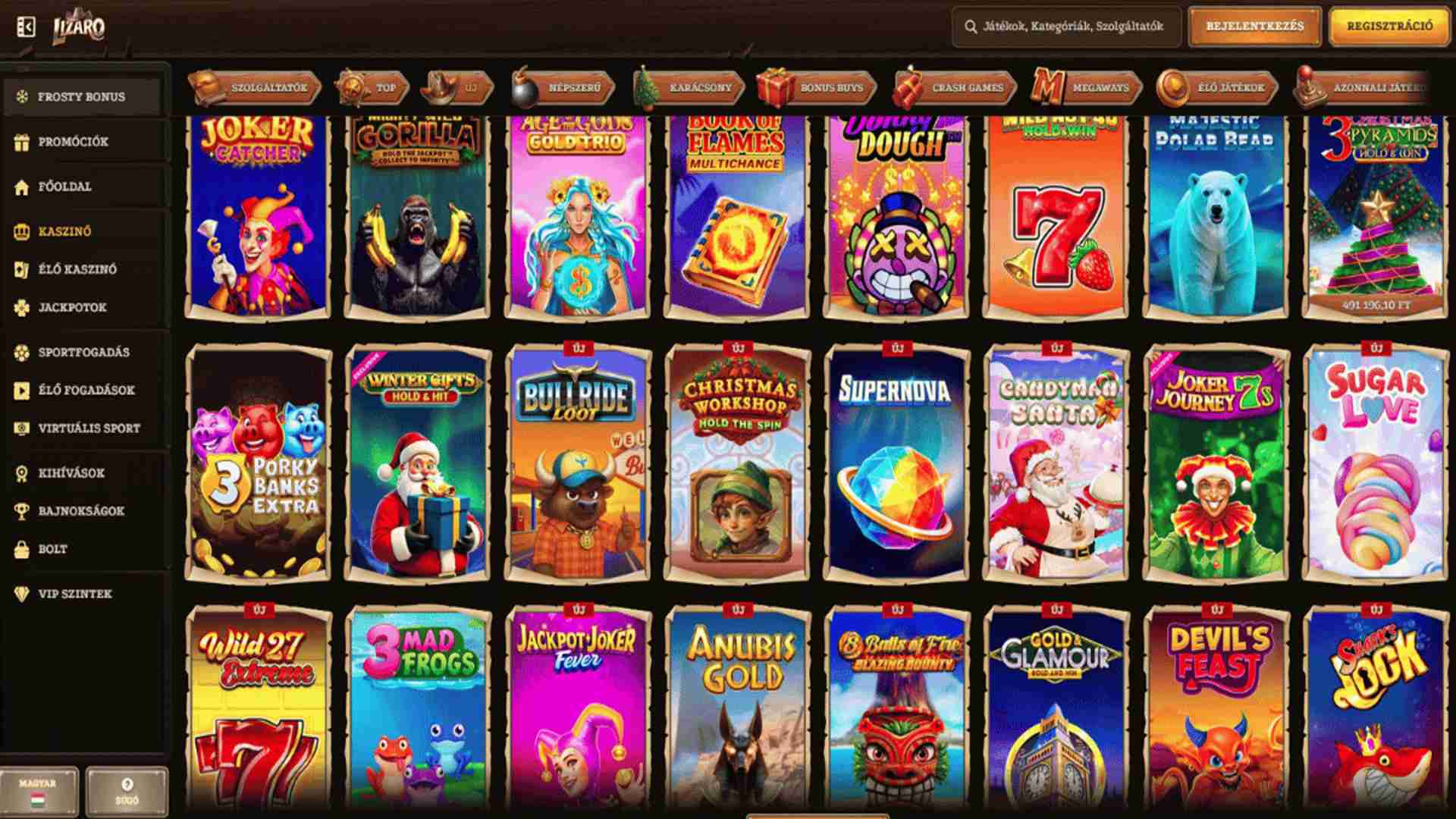
In the rapidly evolving digital landscape, creating a memorable connection with users requires looking beyond basic functionalities. True engagement is forged through the meticulous arrangement of small elements that smoothly guide a user through a platform. Every subtle choice, from micro-interactions to visual layouts, shapes how an audience perceives value and builds long-term trust.
The Psychology of Micro-Interactions
Micro-interactions are the silent workhorses of modern interface design, providing immediate feedback for user actions. When a button changes color upon a click or a loading animation moves gracefully, it reassures the user that the system is responding correctly. These minor visual cues eliminate uncertainty and reduce the cognitive burden often felt during digital navigation.
Ignoring these small details can lead to subtle user frustration that eventually causes platform abandonment. By ensuring that every trigger and response feels intentional, developers can transform a routine transaction into a pleasant journey. Over time, these positive interactions accumulate, creating a robust framework for customer satisfaction.
Pacing and Visual Hierarchy in Content Delivery
How information is presented on a screen determines how effectively a reader consumes and retains that data. A well-structured layout relies on balanced spacing, clear typography, and a logical progression of headings to maintain viewer focus. Without these deliberate structural choices, even the most valuable information can feel overwhelming and disorganized.
Creating a seamless experience also extends to how external resources and interactive modules are integrated into the text. For instance, platforms offering competitive updates or digital entertainment can naturally insert an M88 esports link to provide immediate value without disrupting the reader flow. This thoughtful placement ensures that auxiliary options feel like a natural extension of the core narrative rather than an intrusive distraction.
The Critical Role of Environmental Consistency
Consistency across different digital touchpoints establishes an authoritative source of truth that users can rely on. When color schemes, button styles, and tone of voice remain uniform, participants feel a sense of familiarity and security. This predictability allows individuals to navigate complex systems with heightened confidence and minimal errors.
When design elements fluctuate randomly between pages, it signals a lack of professional oversight and harms brand reputation. Maintaining a unified design system ensures that updates can be deployed efficiently without alienating existing users. Ultimately, a stable environment allows the core quality of the service to shine through without technological friction.
Optimizing Performance as a Design Element
Many observers mistake design as a purely aesthetic discipline, forgetting that technical execution directly affects user perception. Slow loading times, erratic page shifts, and delayed responses can ruin even the most beautiful visual interface. Fast rendering speeds and stability are fundamental components of modern user experience strategies.
When a platform operates smoothly under various network conditions, it respects the user's time and attention. Prioritizing technical optimization alongside visual design demonstrates a holistic commitment to excellence. By treating performance as a vital aesthetic asset, modern platforms ensure that every single visitor enjoys a premium interaction from start to finish.