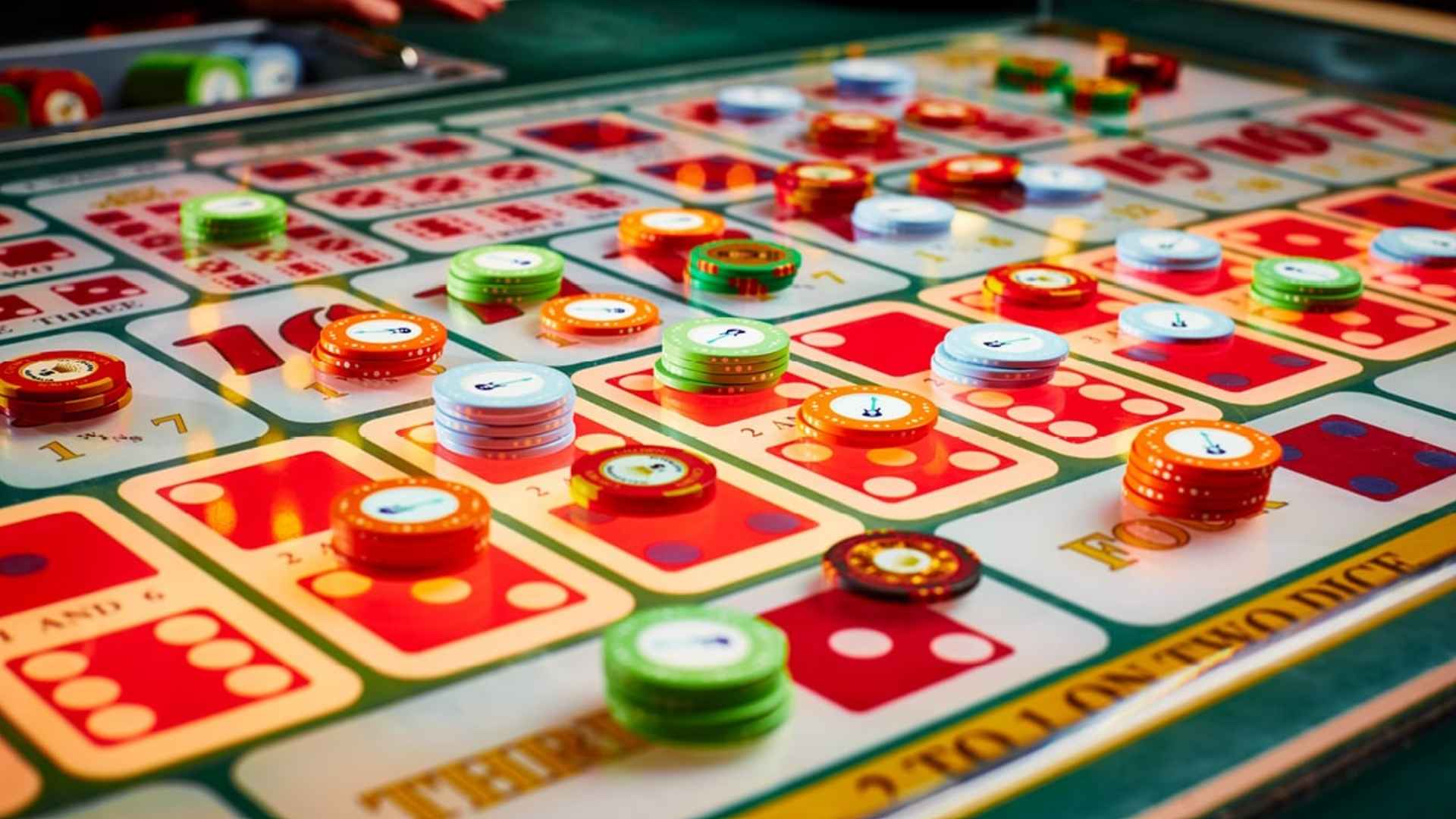
Classic board games have served as the foundation for strategic thinking long before the advent of complex digital simulations. These timeless tabletop experiences offer a physical space where players must anticipate opponents, manage resources, and adapt to shifting conditions. Engaging with these games provides a tangible way to develop critical analytical skills that are highly applicable to real-world scenarios.
The Foundational Mechanics of Tabletop Planning
At the core of classic tabletop design is a reliance on transparent rules that challenge players to outthink one another rather than rely on reaction times. By stripping away digital distractions, individuals can focus entirely on calculating probabilities and predicting defensive movements. This deliberate approach to decision-making fosters patience and deepens tactical insight during intense competitive sessions.
Furthermore, managing limited pieces or resources on a physical board forces players to prioritize long-term sustainability over immediate gains. Every move carries a direct consequence, making the risk-and-reward calculation clear and impactful. This structured environment serves as an excellent training ground for anyone looking to sharpen their organizational intellect.
Adapting Strategies to Unpredictable Environments
While establishing a solid opening plan is vital, the true test of strategy lies in how a player reacts when their initial setup falls apart. Classic games often introduce controlled elements of chance, such as dice rolls or card draws, forcing players to remain flexible. Learning to pivot mid-game without losing focus is what separates novice players from master tacticians.
Just as modern enthusiasts analyze complex digital landscapes like M88 esports to understand competitive trends, traditional gamers must study their opponents' behavioral patterns. Recognizing subtle shifts in defensive posture allows you to exploit sudden weaknesses on the board. This constant need for environmental awareness keeps the mind agile and ready for unexpected challenges.
Enhancing Group Dynamics and Collaborative Decisions
Many traditional titles also emphasize negotiation, forming alliances, and understanding social dynamics to achieve victory. When playing in groups, strategy extends beyond individual pieces to include psychological maneuvering and team coordination. Perfecting these social tactics requires a high level of empathy and precise communication among all participants.
Working through complex scenarios with friends or family members highlights the importance of shared goals and division of labor. These interactive elements ensure that everyone remains engaged while contributing to a collective tactical outcome. Ultimately, these shared triumphs create memorable experiences that extend far beyond the final score.
Building a Diverse Collection for Skill Development
Curating a thoughtful selection of traditional games allows households to target different areas of cognitive development. Area control games emphasize spatial awareness and long-term positioning, while abstract games focus purely on logical deduction. Mixing these genres ensures that your strategic toolkit remains balanced and multi-dimensional.
Investing time in high-quality physical sets provides a lasting form of entertainment that promotes healthy mental habits for generations. The tactile feedback of moving solid wood or plastic pieces brings a unique sense of satisfaction to every victory. By keeping these classics on your shelves, you guarantee endless opportunities to refine your analytical mind.